How Do You Stop Impulse Buying Clothes You Never Wear? How to Break the Habit of Buying Unnecessary Clothes. Why Minimal Wardrobes Make Getting Dressed Easier. How to Create a Closet Full of Outfits You Actually Wear.
Let’s talk about it… the “this is so cute, I need it” moment that turns into a closet full of clothes with tags still on. No shame here, we’ve all been there, living our main character life in the fitting room and then… reality hits at home.
Impulse buying is not about a lack of discipline. It’s about emotion, mood, and the little dopamine hit from “add to cart.” So instead of fighting ourselves, we’re going to outsmart the habit and make getting dressed actually feel good again.
How Do You Stop Impulse Buying Clothes You Never Wear?
First, figure out why the shopping is happening
- Shopping is usually tied to a feeling, boredom, stress, reward, or “new version of me” energy
- That “new outfit = new life” fantasy is very real
Those reasons are valid, by the way. Sometimes, little rewards genuinely help get the body and mind through stressful weeks or emotionally heavy seasons. The key is finding ways to comfort and reward yourself without completely sabotaging your goals or creating more stress later on
Sometimes it’s not even the new blazer, expensive item, or random purchase that’s actually needed. Sometimes it’s the feeling behind it, peace, comfort, inspiration, quiet, softness, or simply a break from survival mode.
A calm coffee shop, a slow morning, a solo walk, or a space that feels grounding can sometimes give the exact emotional reset that the nervous system was really craving in the first place.
Quick check:
- Feeling tired or overwhelmed
- Wanting a reset or glow up
- Trying to match a vibe seen online
Why this matters:
- Awareness slows down automatic spending
- Helps separate real needs from emotional buys
- Starts building control without forcing restriction
Use the 48-hour rule, no exceptions
- Add to cart, then close the tab
- Come back after 48 hours
I’m probably not the only one who does this. Playing sports means the Lululemon, Alo, and Sport Chek carts somehow stay permanently full, and there are definitely moments spent coordinating outfits like it’s a full creative project.
Then suddenly, two days later, the excitement disappears completely and the tabs just sit there untouched for another week. Turns out, it’s not always new outfits or more products that are actually needed, sometimes it’s just boredom, stress, or the need for a little dopamine hit after a long week.
That doesn’t mean quality items are not worth investing in. Good closet staples absolutely matter, especially when training multiple days a week. But once the basics are already covered and the products are doing their job well, there usually isn’t a real need for “more” all the time.
A simple black and white, monochromatic wardrobe also makes everything easier because pieces mix and match naturally without much effort. Less decision-making, less stress while getting ready, and honestly, way more peace for the brain overall.
What usually happens:
- Half the items don’t even hit the same
- Some get forgotten completely
Why it works:
- Kills impulse energy
- Gives space to think clearly
- Saves money without feeling deprived
Build a “wearable wardrobe,” not a fantasy closet
- Most impulse buys are for a version of life that doesn’t exist daily
Having 2 to 3 dresses set aside for random “just in case” events honestly helps a lot, especially with a mostly monochrome wardrobe. Sometimes invitations come up with specific themes like floral, pastel, or pink, so having a couple of reliable options ready makes life easier without needing to panic shop every time.
Other than that, most wardrobe basics are already covered and work well for everyday life. It also helps having friends who are the same size because last minute outfit situations can easily turn into a clothing swap instead of another unnecessary purchase.
Do this instead:
- Look at what is actually worn every week
- Identify 3–5 go-to outfits
- Build around those, not random statement pieces
Example:
- Love oversized tees and leggings, buy better quality versions
- Always reaching for neutral basics, lean into that
Why it works:
- Everything starts matching
- Getting dressed becomes easy
- Less waste, more confidence
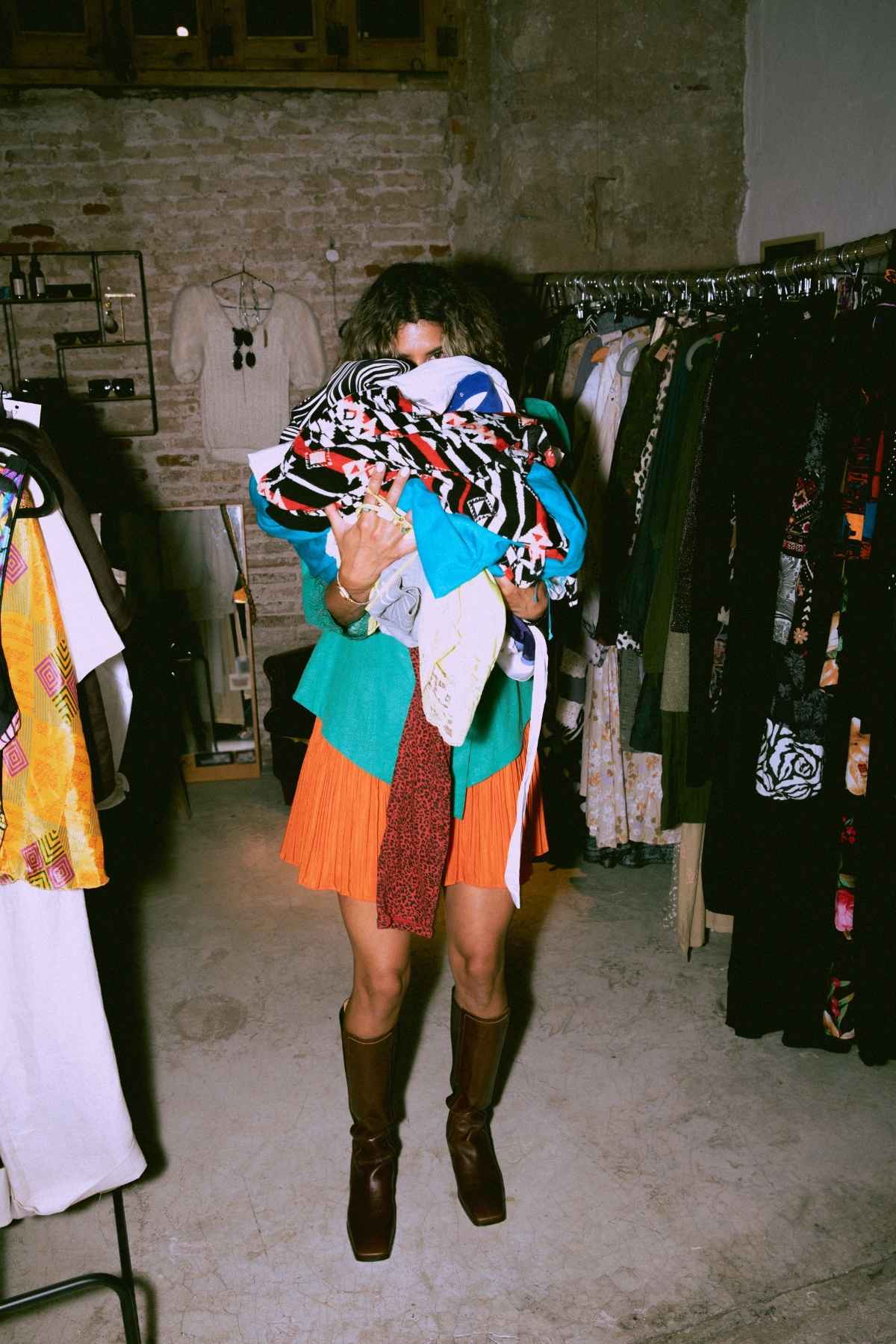
Take photos of outfits already loved : How Do You Stop Impulse Buying Clothes You Never Wear?
- Create a mini lookbook on the phone
This used to happen a lot more before, but lately the pieces in the wardrobe actually complement each other well, so mixing and matching feels much easier now.
The same system works across everything too, athletic wear, athleisure, casual outfits, formal pieces, dressier looks, and even everyday sweatpants vibes.
Most pieces can work together in different ways, which makes getting dressed feel simpler without constantly feeling like there are “no outfits” to wear.
Action plan:
- Try on outfits at home
- Snap mirror pics
- Save in a folder
Why it works:
- Reduces “I have nothing to wear” panic
- Shows how much is already owned
- Makes shopping feel less urgent
Set a “cool girl budget,” not a restriction budget
- No punishment energy, just boundaries
I honestly don’t really follow a strict “monthly shopping budget” anymore. The focus now is more on actual needs and adjusting as life changes. For example, with training and muscle growth lately, the real priority became getting a larger sports bra because the body genuinely outgrew the old size and needed better support.
So instead of buying things just because there’s a shopping budget sitting there every month, purchases happen when there’s an actual purpose or need behind them.
If the body changes again later, then that’s when another purchase makes sense. It’s less about shopping out of habit and more about buying intentionally based on what genuinely supports everyday life.
Try this:
- Monthly clothing budget, even $50–$100
- Once it’s gone, it’s gone
Why it works:
- Keeps spending intentional
- Makes purchases feel more valuable
- Builds discipline without stress
Learn the psychology behind impulse buying
- Brands are designed to make us feel like we’re missing out
Not every trend needs to be followed, and honestly, not everything labeled “limited edition” is truly gone forever. Most trends eventually come back in some updated version, remix, or rebrand a few seasons later anyway.
That’s why classic staples will always matter because they carry outfits through different seasons, trends, and phases without constantly needing to start over every few months.
Quick insight:
- Sales create urgency
- Limited drops create pressure
- Trends create identity attachment
For a deeper breakdown, check this from Psychology Today on impulse buying:
Why it matters:
- Awareness breaks the spell
- Helps make calm, confident decisions
- Turns shopping into a choice, not a reaction
Unfollow, unsubscribe, protect the vibe
- Less temptation, less spending
I used to be subscribed to The RealReal, and honestly, I loved it for a while. But eventually, there was a realization that constantly knowing a Miu Miu bag was “on sale” wasn’t actually helping in any meaningful way.
Sure, it’s fun information at first, but over time, it just sits in the back of the mind, creating unnecessary temptation and little internal whispers of “buy it” even when there’s no real need or genuine desire for it. Sometimes the item isn’t even truly wanted; it’s just available, visible, and constantly being placed in front of you.
Action plan:
- Unfollow fast fashion accounts
- Unsubscribe from promo emails
- Mute brands that trigger impulse buys
Why it works:
- Fewer triggers during the day
- Clears mental space
- Makes style feel personal again
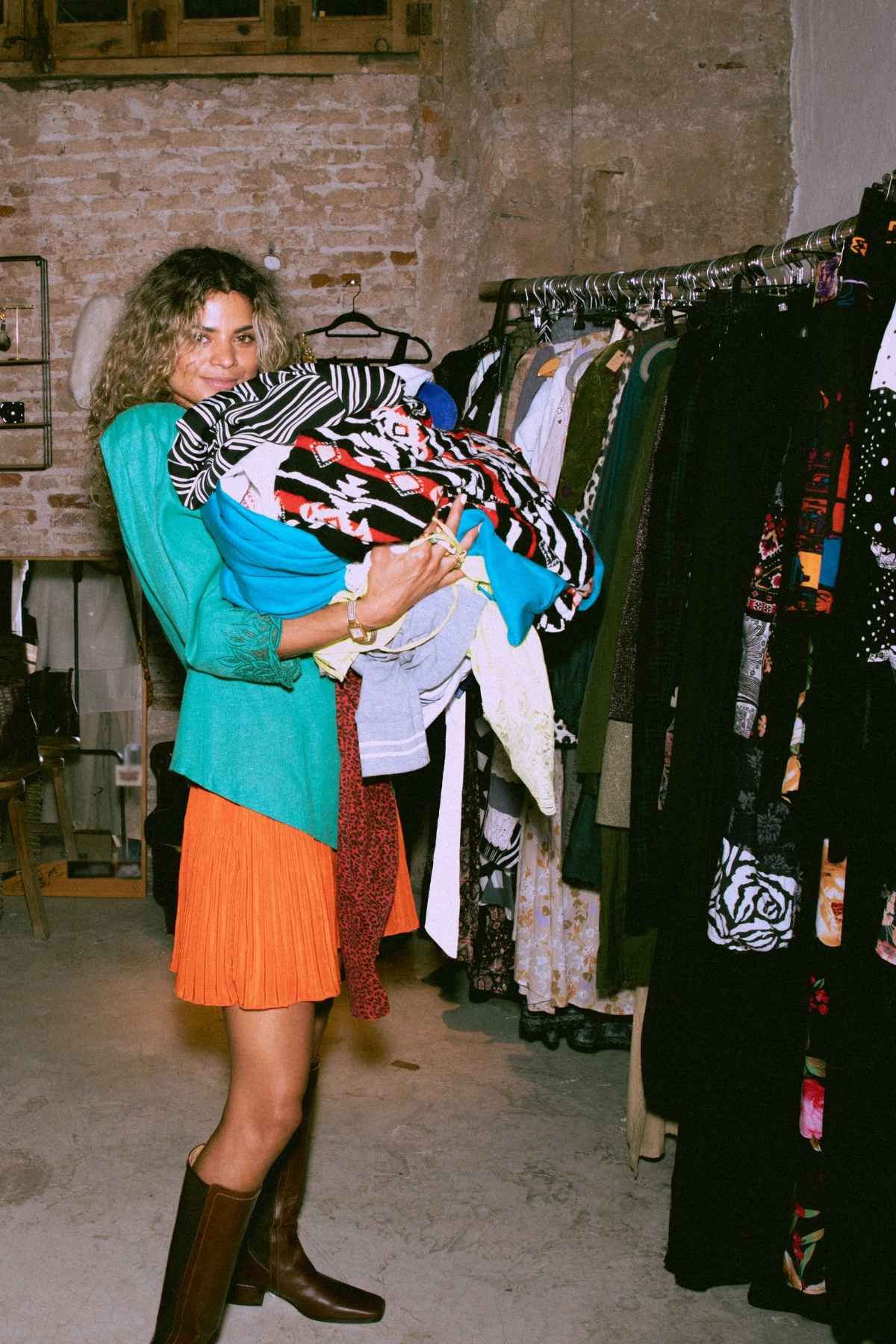
Track what was worn vs what was wasted
- This one is a little humbling, but powerful
Closet clean-outs used to happen every six months or so, but honestly, not as much anymore because shopping has become way more intentional over time.
Since most purchases now happen only when something is actually needed, maintaining the wardrobe feels much easier and less overwhelming overall. There’s also less mental clutter because every piece is familiar and has a purpose.
The same goes for shoes; there are specific pairs for specific functions, and most of them are classic, reliable, and high quality. Simple staples like beige and black block heels have carried countless outfits for the last four years without needing constant replacements.
Sneakers are usually the only things that need replacing more regularly, but that’s because they actually get heavily used for training, walking, and everyday movement. Replacements happen because items are worn out, not because there’s a need for endless variety.
Try this:
- For 2 weeks, track outfits worn
- Notice repeat items
Reality check:
- 20 percent of clothes get worn 80 percent of the time
Why it works:
- Shows actual habits
- Stops overbuying similar items
- Builds smarter shopping patterns
Replace the habit, don’t just remove it
- Shopping gave a feeling, we replace the feeling
When working on impulse spending habits, one thing that helped a lot was creating a rule where every time there was an urge to buy something unnecessary, that energy had to be redirected into writing a new article instead. The articles would still get written regardless, but turning that impulse into something productive helped shift the focus completely.
The same mindset started applying to fitness and sports, too. Whenever there was a random urge to shop out of boredom or stress, sometimes the better move became going to the gym, doing training drills, or getting extra reps in instead. Over time, it started feeling better to invest energy into growth, strength, and progress rather than constantly chasing another temporary dopamine purchase.
Options:
- Go for a walk
- Re-style outfits already owned
- Plan future looks instead of buying
Why it works:
- Keeps the dopamine without spending
- Builds creativity
- Makes style more fun
Style with intention, not pressure : How Do You Stop Impulse Buying Clothes You Never Wear?
- Style is personal, not trend-driven
Every season of life can bring changes in personal style, preferences, and even the way the wardrobe feels. That’s completely normal, and honestly, it can also be a sign of growth and evolving into a new version of yourself.
But when solid staple pieces are already in place from the beginning, there’s usually no need to completely rebuild an entire wardrobe every time tastes shift a little. Most of the time, it’s just the smaller details, accessories, colors, textures, or styling choices that change.
Strong closet staples tend to carry people through different phases of life much more easily, making transitions feel smoother without constantly spending large amounts of money trying to reinvent everything from scratch.
- Same energy applies, plan with purpose, not chaos
Quick reset plan, starting today
- Clean out closet, remove what’s never worn
- Create 5 outfits from what is already owned
- Set a monthly clothing budget
- Use the 48-hour rule for every purchase
- Unfollow 5 triggering accounts
How Do You Stop Impulse Buying Clothes You Never Wear?
Impulse buying clothes can feel harmless in the moment, especially when the cart is full of cute outfits, sale notifications, “limited edition” drops, and the sudden belief that a new blazer will somehow fix the entire week. Then somehow the packages arrive, the tags stay on, the closet gets fuller, and the same few outfits still end up being worn on repeat anyway.
Shopping habits are often connected to stress, boredom, emotions, dopamine, social media, lifestyle changes, and even the need for comfort or control during overwhelming seasons of life. A wardrobe usually feels easier to manage when the focus shifts toward intentional purchases, quality basics, versatile pieces, and styles that actually fit everyday routines. Simple closet staples can save money, reduce decision fatigue, make getting dressed faster, and help create outfits without constantly feeling like there is “nothing to wear.”
Sometimes the real issue is not a lack of clothes, but a lack of clarity around personal style, emotional spending habits, and what genuinely feels useful long term. Building a more functional wardrobe also does not mean never shopping again, because buying quality items that genuinely support lifestyle, work, sports, events, or confidence can still be worth it.
Throughout this article, there will also be practical ways to reduce impulse spending, organize a closet better, create more outfit flexibility, manage shopping triggers, and build healthier habits around money and style. Sometimes the strongest financial decision is realizing the problem was never the outfit, it was the stress, boredom, pressure, or emotional spiral quietly trying to shop its way into feeling better.
Final vibe check
Impulse buying is not a personality trait, it’s just a pattern.
Patterns can be changed, upgraded, and styled into something better.
More intention, less clutter, better outfits, more confidence.
Closet starts working for us, not against us.